Global Innovative Building Materials: Shaping the Future of Construction
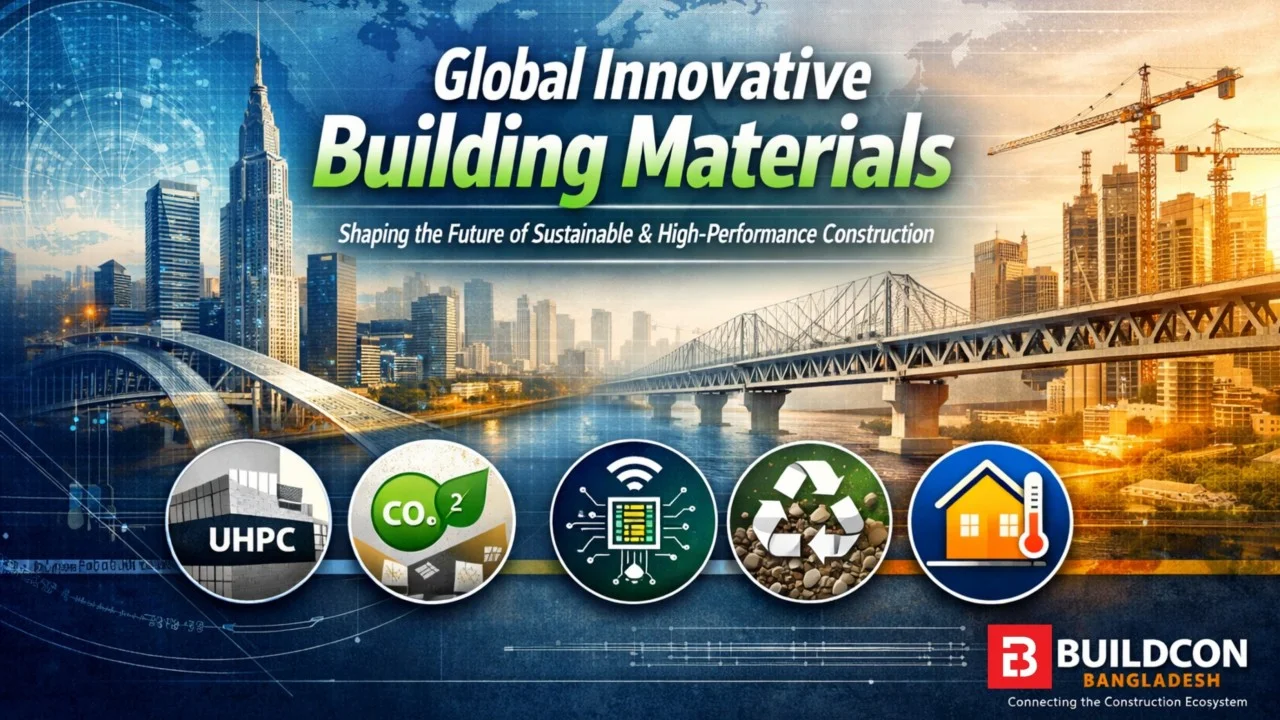
The global construction industry is undergoing a remarkable transformation, driven by the urgent need for sustainability, durability, efficiency, and smarter infrastructure. Innovative building materials are no longer optional—they are becoming essential to meet climate challenges, rapid urbanization, and evolving performance expectations. Across the world, cutting-edge materials are redefining how we design, build, and maintain structures.
1. Low-Carbon and Green Cement Technologies
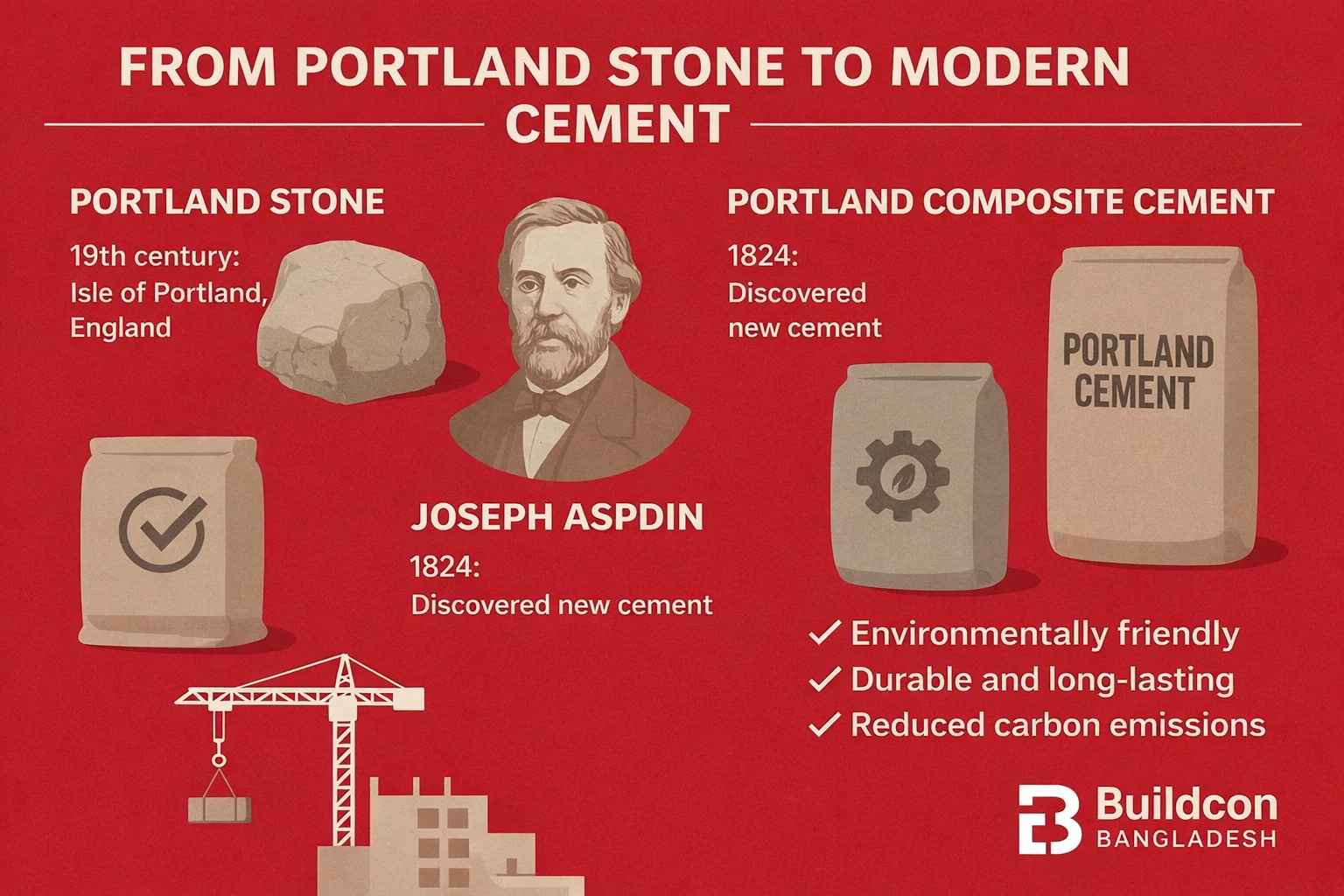
Traditional cement contributes significantly to global CO₂ emissions. In response, the industry has developed low-carbon cements such as LC3 (Limestone Calcined Clay Cement), geopolymer cement, and blended cements with higher SCM content. These alternatives reduce carbon footprint while maintaining strength and durability—highly relevant for fast-growing markets like Bangladesh.
2. High-Performance Concrete (HPC) & Ultra-High Performance Concrete (UHPC)
HPC and UHPC offer exceptional compressive strength, durability, and resistance to aggressive environments. With reduced permeability and longer service life, these concretes are increasingly used in bridges, high-rise buildings, marine structures, and critical infrastructure worldwide.
3. Self-Healing Concrete
Inspired by nature, self-healing concrete incorporates bacteria or chemical agents that automatically seal micro-cracks when exposed to moisture. This innovation significantly reduces maintenance costs and extends structural lifespan—an ideal solution for infrastructure exposed to harsh weather and heavy usage.
4. Advanced Insulation Materials
Materials such as aerogels, vacuum insulated panels (VIPs), and phase-change materials (PCMs) are revolutionizing thermal performance. These solutions improve energy efficiency, reduce cooling loads, and support green building certifications—crucial for tropical climates like Bangladesh.
5. Engineered Timber & Cross-Laminated Timber (CLT)
Engineered wood products like CLT and Glulam are gaining popularity due to their sustainability, strength, and aesthetic appeal. Widely adopted in Europe and North America, mass timber construction reduces embodied carbon while enabling faster and cleaner construction.
6. Smart Building Materials
Smart materials such as self-cleaning glass, electrochromic glazing, and sensor-embedded concrete enable real-time monitoring of structural health, energy consumption, and environmental conditions. These materials support intelligent buildings and predictive maintenance strategies.
7. Recycled & Circular Construction Materials
The global push toward a circular economy has led to the use of recycled aggregates, plastic-based bricks, reclaimed steel, and industrial by-products. These materials reduce landfill waste, conserve natural resources, and align with sustainable construction goals.
Relevance for Bangladesh
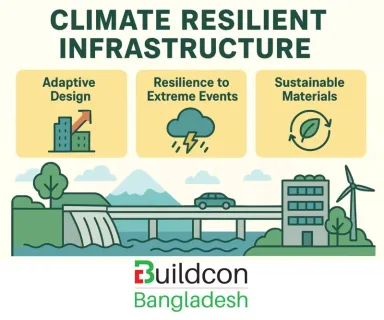
For Bangladesh, adopting global innovations in building materials can enhance resilience against climate risks, improve construction quality, and support sustainable urban development. By combining global best practices with local expertise, the country can move toward greener, safer, and more durable infrastructure.
Conclusion
Innovative building materials are shaping the future of construction—making it smarter, more sustainable, and more resilient. As global technologies continue to evolve, platforms like Buildcon Bangladesh play a vital role in connecting knowledge, innovation, and industry stakeholders to drive progress in the construction ecosystem.